Bespoke App Developer London UK | Enterprise Builds

What bespoke programming in London actually delivers
Bespoke programming in London covers a specific category of software work: systems designed from scratch — or substantially rebuilt — to match how a particular enterprise operates, rather than forcing the enterprise to adapt to how a packaged platform was designed. The distinction matters because the gap between what an off-the-shelf platform can do and what a London enterprise actually needs is almost always wider than it looks before implementation.
A bespoke programming company in London builds for that gap. The result is software that fits your data model, integrates with your existing systems without expensive middleware bolted on, satisfies your compliance requirements by design rather than workaround, and can evolve as your business changes. The cost is higher upfront than a SaaS licence. The total cost of ownership — accounting for integration complexity, licence escalations, and manual workarounds required by platforms that do not quite fit — is frequently lower over a five-year horizon.
The bespoke programming and app development London market in 2026
The London market for bespoke programming and app development is large and uneven. At one end: agency groups with 200+ engineers who price accordingly, frequently offshore architecture and senior engineering decisions, and specialise in volume. At the other end: individual freelance developers who can build individual features competently but lack the cross-discipline depth — security architecture, accessibility engineering, compliance integration, infrastructure — that enterprise projects require. In the middle: a smaller number of specialist bespoke programming companies in London that operate with senior-led teams, genuine domain depth in regulated industries, and a process designed for enterprise accountability.
For most London enterprises briefing a bespoke programming and app development project, the right answer is in the middle. The selection decision is not primarily about price per day — it is about whether the team has built systems of comparable complexity in comparable regulatory environments, and whether their process produces auditable, maintainable software rather than working-but-undocumented code.
When bespoke programming in London is the right choice
Four conditions consistently indicate that bespoke programming — rather than a configured SaaS platform — is the appropriate solution:
- Your workflows do not map cleanly to standard platform structures. When you find yourself fitting your process to the platform — running outside of the system in spreadsheets, building compensating workflows in adjacent tools — the platform is not solving your problem. It is relocating it.
- You have integration requirements that platforms cannot satisfy. Legacy ERP systems, proprietary data formats, on-premises infrastructure with no API, or real-time integration requirements that a webhook-based platform cannot meet without custom middleware.
- Your regulatory requirements are not addressable by standard configuration. FCA compliance, NHS data governance, GDPR for high-risk processing, SOC 2 Type II — regulated industries frequently require audit trail depth, data residency controls, and security architecture that SaaS platforms either do not offer or offer only in enterprise tiers at costs that approach bespoke development.
- The system is a genuine competitive differentiator. If the software reflects how your business uniquely operates — your pricing logic, your workflow, your proprietary methodology — then a generic platform built for a hundred verticals will always give you a generic capability. Bespoke programming builds the differentiator.
How a bespoke programming company in London structures the engagement
The engagement model for bespoke programming and app development in London has converged around a two-phase structure: a paid discovery phase, followed by an iterative delivery phase. The discovery phase — typically two to four weeks — produces a written outcome definition, technical architecture proposal, integration surface map, and a milestone-based delivery plan. The delivery phase runs in two-week sprints, each ending with a working-software review that the client attends.
This structure matters because the two most common failure modes in bespoke programming projects are: (1) requirements that seemed clear at brief time were not actually clear, discovered only when software was built to them; and (2) scope that expanded mid-project without formal change control. A well-run bespoke programming company in London uses the discovery phase to surface requirement ambiguity before it becomes expensive, and uses a formal change-control process during delivery to keep scope honest.
What to look for in the engagement model:
- A paid discovery phase that produces a written specification — not a "free scoping call" that produces a quote
- A named senior architect on the engagement, not a team that rotates depending on availability
- Fortnightly working-software demos from sprint two, not a first demo at week eight
- Clear IP assignment in the contract — the delivered software, including source code, should become your property
- A defined post-launch support model agreed before project start, not negotiated under pressure when bugs appear
Typical outputs from bespoke programming and app development in London
The range of systems built by bespoke programming companies in London is wide, but five categories appear most frequently in enterprise engagements:
- Operational workflow systems: Internal tools that manage the core workflows of a business — case management, project delivery tracking, client onboarding, document approval — built to exactly fit the workflow rather than a generic approximation of it.
- Customer-facing web applications: Portals, booking systems, account management interfaces, and self-service tools that represent your brand and integrate with your back-end systems rather than being served by a third-party platform.
- Data integration layers: Systems that connect multiple existing platforms — ERP, CRM, financial systems, logistics platforms — with clean data transformation, error handling, and audit trail rather than point-to-point integrations that break silently.
- Regulated industry platforms: Applications with compliance requirements embedded by design — financial services platforms with FCA audit requirements, healthcare systems with NHS data governance requirements, legal platforms with GDPR-compliant data handling.
- Legacy system replacements: Rebuilding systems that have been maintained past their practical life — where the original development team is unavailable, documentation is missing, and the risk of continuing to patch outweighs the cost of replacement.
What separates bespoke application developers from generalist agencies
Bespoke application developers in London differ from generalist agencies in how they staff and scope a project. A bespoke app developer working on a regulated system will insist on a discovery phase before quoting, because the compliance scope changes the architecture — an agency that quotes a fixed price on day one has either done this work already (unlikely for a new client) or is guessing. When you are vetting bespoke application developers, ask who specifically will architect the system, whether that person stays on the project through delivery, and what happens if the scope changes after discovery.
The other differentiator is ownership of technical decisions. Bespoke application developers who work across finance, healthcare, and legal clients bring pattern recognition from previous regulated builds — they have already made and learned from the architecture trade-offs a first-time buyer has not encountered. A bespoke app developer in London without that sector exposure will spend your budget learning lessons that an experienced team already knows. This is the single biggest driver of the 3x variance in delivery outcomes between London providers at similar day rates. See our in-house vs agency vs freelance guide for a full breakdown of when each hiring model for bespoke application developers makes sense.
Finding a bespoke app developer in London: what to check first
Searching for a bespoke app developer in London usually turns up three very different types of provider: solo freelancers, generalist app agencies, and specialist bespoke programming companies. A bespoke app developer working solo can be the right choice for a well-defined, single-feature build, but will lack the security review, accessibility audit, and QA function a regulated or multi-integration app needs. A bespoke app developer uk-wide who has never delivered under FCA, NHS DSPT, or ICO obligations will spend your budget learning lessons an experienced London team has already learned. The fastest way to filter candidates is to ask each bespoke app developer London shortlist for a comparable delivery in your sector, and to insist on a paid discovery phase before any fixed quote — the discovery output should include a written architecture proposal and a compliance scope memo, not just a day-rate estimate.
For London enterprises evaluating bespoke app developer options, three questions cut through most sales pitches quickly: who specifically architects the app and do they stay through delivery; what does the post-launch support model look like and when is it agreed; and can they show an audit trail or compliance artefact from a comparable regulated build. A bespoke app developer London team that answers all three with specifics — rather than generalities — is the one worth shortlisting. Book a free technical assessment and we will give you a straight read on scope, budget, and whether a bespoke app developer engagement is the right model for your project.
Pricing for bespoke programming in London in 2026
Day rates for senior bespoke programming engineers in London in 2026 run from £650 to £1,200 for direct freelancer engagement, and from £800 to £1,400 for agency-employed senior engineers. Project-based pricing from a specialist bespoke programming company in London typically runs: internal operations tools at £60k–£180k; customer-facing web applications at £150k–£380k; regulated enterprise systems at £350k–£1.1m. These ranges assume a senior-led London team, full compliance scope in remit, and post-launch support included.
The gap between freelancer day rates and agency project pricing reflects team composition: a senior bespoke programming engineer is one person; an agency engagement includes the architect, the engineers, the security review, the accessibility audit, the QA function, and the post-launch support — all coordinated by a project manager who understands your business context.
Why bespoke programming companies in London are concentrated in regulated sectors
The London concentration of regulated industry work — financial services, healthcare, legal, public sector — drives demand for bespoke programming because these sectors have the most severe gap between what generic platforms offer and what compliance requires. A financial services firm cannot use a SaaS CRM that processes customer data in a jurisdiction that does not satisfy FCA requirements. An NHS trust cannot deploy a patient-facing application that does not satisfy NHS Digital security standards. A law firm handling sensitive litigation materials cannot use document management that does not satisfy their bar council's data handling requirements. Each of these sectors requires bespoke — or substantially bespoke — solutions.
The result is that the highest-quality bespoke programming companies in London are disproportionately experienced in regulated work. When evaluating providers, regulated sector case studies are a stronger signal than portfolio size or client logos.
How UIDB delivers bespoke programming and app development in London
UIDB has been delivering bespoke programming in London for enterprise and growth businesses since 2014. Our process starts with a two-week paid discovery that produces a written outcome definition, compliance scope memo, technical architecture proposal, and milestone-based delivery plan. Every engagement is led by a named senior architect. We run fortnightly working-software demos from sprint two. IP assignment is explicit in every contract. Post-launch support is defined before project start.
If you are evaluating bespoke programming companies in London for an enterprise project, book a free technical assessment with one of our senior architects. We will review your requirements honestly — including where bespoke programming is the right answer and where it is not. Read our guide to bespoke programming agencies in London and our agile software development guide for further context on how enterprise projects are structured and priced.
FAQ: Bespoke Software Development in London
How is a bespoke software development company in London different from a generalist agency?
A bespoke software development company staffs a named senior architect for the full engagement and runs a paid discovery phase before quoting; generalist agencies more often rotate junior staff and quote from a template scope, which is where regulated-sector projects run into trouble later.
What should I expect when developing bespoke software in London?
A two-to-four week paid discovery producing a written architecture proposal, followed by two-week delivery sprints with a working-software demo at the end of each — not a single big-bang delivery at the end of the project.
How much do bespoke software developers in London cost?
Senior day rates run £650–£1,200 for freelancers and £800–£1,400 for agency-employed engineers; project pricing for a full bespoke software development company engagement typically starts around £60k for internal tools and scales with integration and compliance scope.
What does a bespoke programming company in London do differently from a bespoke app developer working solo?
A bespoke programming company in London staffs a full delivery team — architect, engineers, security review, and QA — behind a single point of accountability, so a regulated or integration-heavy build doesn't depend on one person's availability. A solo bespoke app developer can still be the right call for a narrow, well-defined feature, but a bespoke programming company is the safer choice once compliance, integrations, or long-term maintenance enter the scope.
What does a bespoke app developer in London cost?
A bespoke app developer in London typically bills £650–£1,400 per day depending on seniority and whether they work solo or through an agency. Most regulated app builds land between £60,000 and £250,000 after a paid discovery phase fixes the scope.
Can a bespoke app developer in the UK work with teams outside London?
Yes. A bespoke app developer UK-wide can run discovery remotely and deliver in two-week sprints, with on-site workshops in London when architecture or compliance decisions need the whole team. We regularly deliver bespoke app development for clients across England, Scotland and Wales.
How long does bespoke app development in London take?
Bespoke app development in London usually takes two to four weeks of discovery and then three to nine months of delivery, depending on integrations and compliance scope. A working first release is normally in users' hands within the first three months.
What should a bespoke programming and app development London contract include?
It should include written IP assignment, a defined acceptance process, a change-request mechanism and agreed post-launch support terms. Start with our bespoke development service or book a free consultation.
 Enterprise Bespoke Development
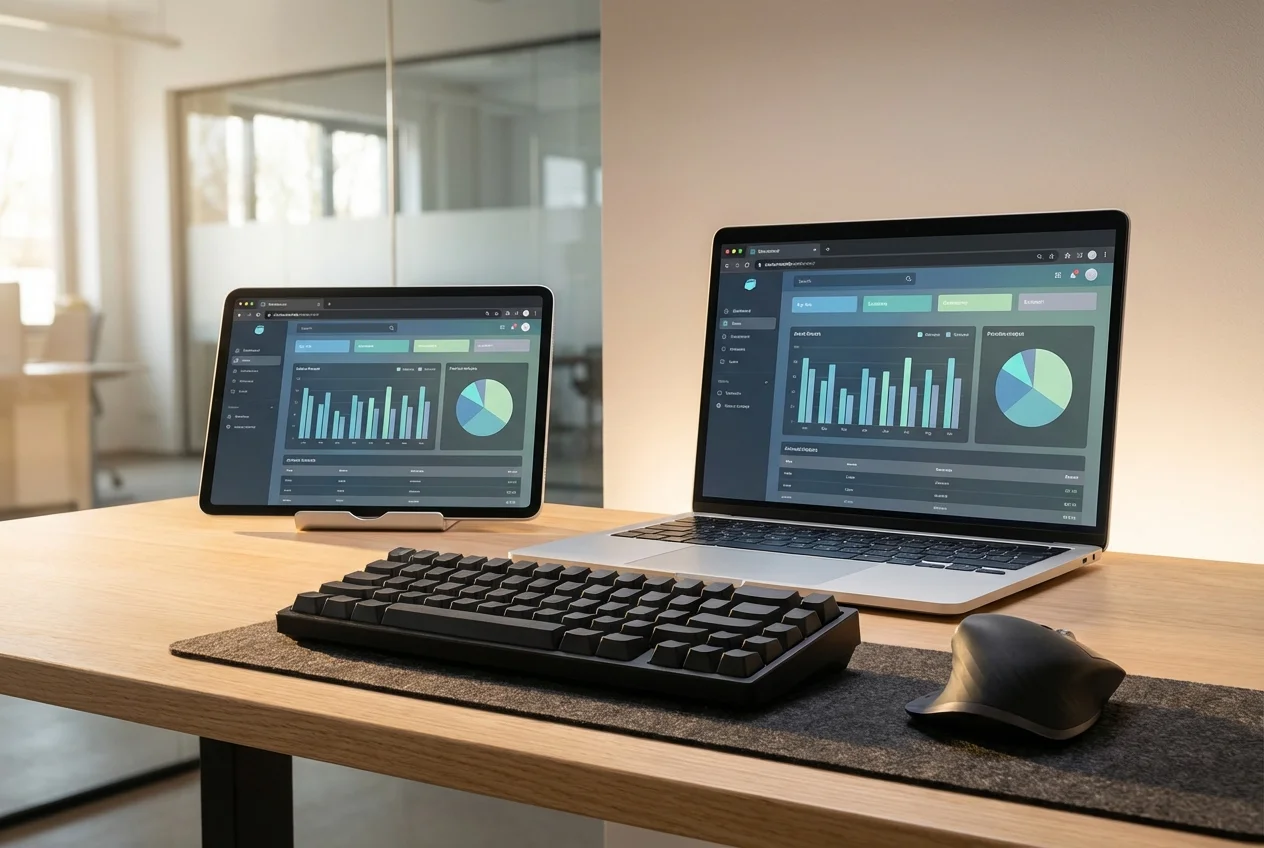 Regulated Industry Web Applications
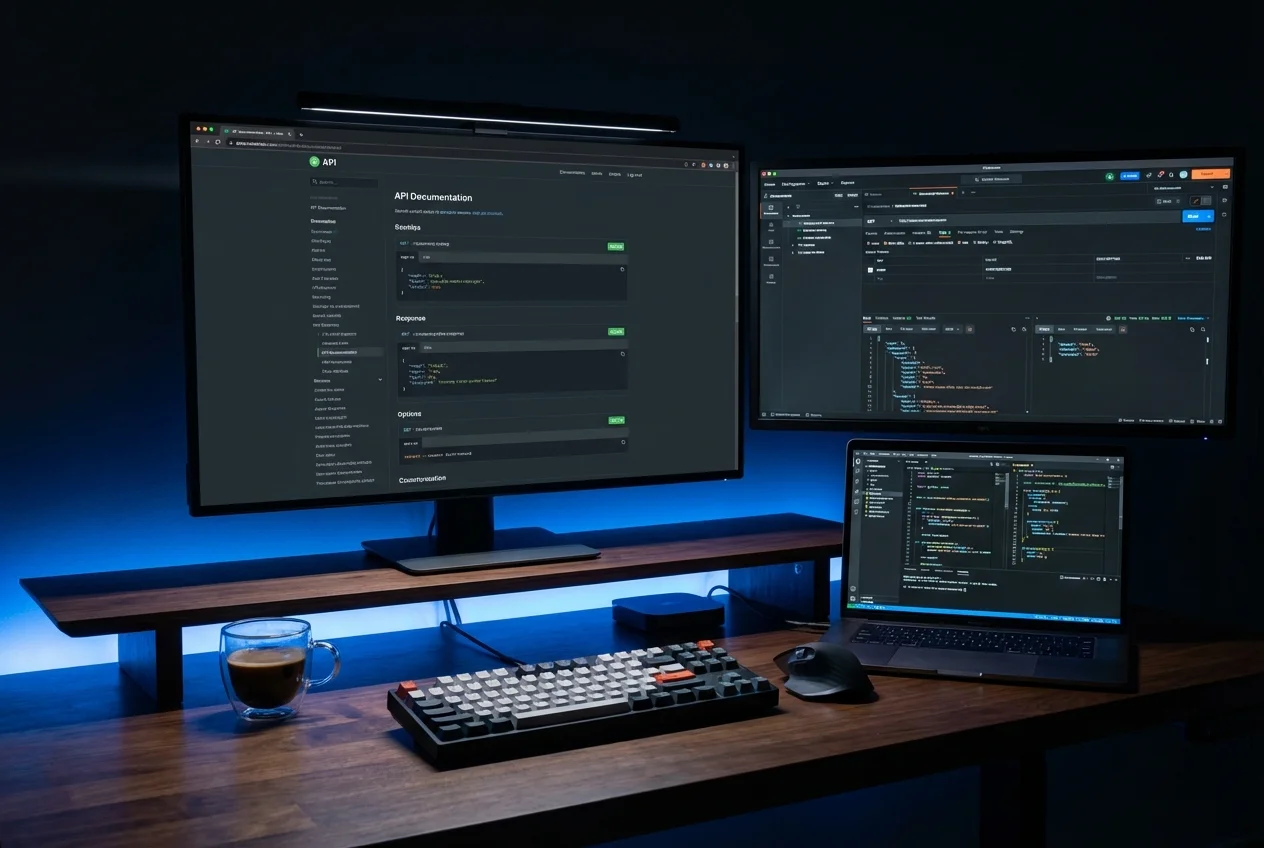 Enterprise System Integration